
Bone health deserves careful attention and accurate information. At ImageCare Radiology, bone density scans in West Orange, NJ, are performed with precision, transparency, and patient comfort at the forefront. Our experienced radiologists and imaging staff focus on clear communication, ensuring you understand both the process and the purpose of your exam.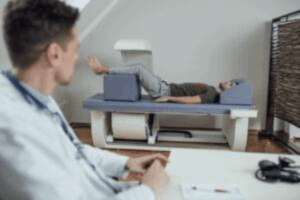
Choosing a trusted diagnostic imaging center is an important step. ImageCare combines advanced technology with a patient-first approach, offering dependable care that supports informed decisions about bone health.
What Is a DEXA Bone Scan?
A DEXA scan (Dual-Energy X-ray Absorptiometry) is widely recognized as the most reliable method for measuring bone mineral density. This specialized type of X-ray imaging is used to evaluate bone strength and assess fracture risk.
DEXA scans are commonly used to:
- Support osteoporosis screening and diagnosis
- Measure bone density in areas prone to fractures, such as the hips and spine
- Establish a baseline for future bone health monitoring
- Track changes in bone density over time
As a bone scan test, DEXA provides detailed insight that may not be visible through standard X-ray imaging alone.
Understanding Osteoporosis Symptoms
Bones are living tissue, constantly breaking down and rebuilding. Osteoporosis develops when bone loss occurs faster than new bone can form. In its early stages, osteoporosis often causes no noticeable symptoms.
As the condition progresses, symptoms may include:
- Stooped or hunched posture
- Bones that fracture easily
- Gradual loss of height
- Ongoing or unexplained back pain
Because symptoms often appear later, bone density testing plays a critical role in early detection.
When Is a Bone Density Scan Recommended?
A bone density scan may be recommended for individuals with certain risk factors or symptoms. Common considerations include:
- Age over 65
- History of fragile bones or fractures
- Family history of osteoporosis
- Recurrent falls
- Small or thin body frame
- Postmenopausal status or prolonged menopause
- Hormonal changes, including low estrogen or testosterone
- Long-term use of steroids or certain medications
- Smoking or heavy alcohol use
- Low physical activity levels
- Insufficient calcium or vitamin D intake
For patients already diagnosed with osteoporosis, repeat bone mineral density testing may be recommended periodically to monitor bone health and evaluate treatment effectiveness.
What to Expect During Your Bone Density Scan
Bone density scans are designed to be quick and comfortable. During your visit, you can expect:
- Minimal preparation
You may be asked to avoid calcium supplements on the day of the exam. - A short exam time
The scan typically takes less than 30 minutes while you lie comfortably on an exam table. - Low radiation exposure
DEXA scans use very low-dose radiation, making them suitable for ongoing monitoring when recommended.
Our technologists guide you through each step to ensure a smooth experience.
The ImageCare Difference in West Orange
Patients choose ImageCare Radiology in West Orange for more than just advanced imaging. Our commitment includes:
- Experienced radiologists and attentive technologists
- A full range of diagnostic imaging services, including MRI and X-ray
- Compassionate, respectful patient care
- A welcoming environment focused on comfort and clarity
We believe quality imaging should be both accessible and reassuring.
Schedule a Bone Density Scan in West Orange, NJ
If you are monitoring bone health or considering osteoporosis screening, a bone density scan can provide valuable insight. Contact ImageCare Radiology to schedule your exam and take a proactive step toward protecting your bone health.
Frequently Asked Questions About Bone Density Scans in West Orange, NJ
What does a bone density scan measure?
It measures bone mineral density, which helps assess bone strength and fracture risk.
Is a DEXA scan different from a standard X-ray?
Yes. A DEXA scan is designed specifically to evaluate bone density, while standard X-rays are typically used to detect fractures.
Is the exam painful?
No. Bone density scans are non-invasive and painless.
How often are bone density scans recommended?
The timing varies based on age, risk factors, and medical history. Your healthcare provider can recommend an appropriate schedule.
Can bone density scans help manage osteoporosis?
Yes. DEXA scans are commonly used to monitor bone changes and assess how well osteoporosis treatments are working.