How To Prevent Sepsis While Undergoing Cancer Treatment
For patients undergoing cancer treatment, staying focused on overall health goes beyond managing the disease itself. One serious complication that deserves attention is sepsis, a life- threatening response to infection that can affect anyone, but poses a higher risk for people with cancer.
In recognition of Sepsis Survivor Week (February 8–14), this article takes a closer look at what sepsis is, why cancer patients are more vulnerable, and practical steps that may help reduce risk during treatment.
What Is Sepsis?
Sepsis occurs when the body’s response to an infection becomes overwhelming, triggering widespread inflammation that can damage tissues, organs, and, in severe cases, become life-threatening. It often begins with a common infection, such as pneumonia, a urinary tract infection, or a skin wound, that spirals into a systemic reaction.
According to the Sepsis Alliance, more than 1.4 million people in the United States survive sepsis every year, but recovery is not always simple. As many as 60% of sepsis survivors experience lasting physical, mental, or emotional challenges, including fatigue, memory issues, anxiety, or depression. Source: Sepsis Alliance
Early recognition and treatment are critical, which is why awareness plays such a powerful role in prevention and outcomes.
What Is the Link Between Sepsis and Cancer?
Cancer patients face a higher risk of sepsis for several reasons. Many cancer treatments, including chemotherapy and radiation therapy, can weaken the immune system. This makes it harder for the body to fight off infections that might otherwise be manageable.
Additional factors that can increase risk include:
- Surgical procedures related to cancer treatment
- Indwelling devices such as ports or catheters
- Hospitalizations or frequent medical visits
- Reduced white blood cell counts
Research indicates cancer-related immunosuppression significantly increases susceptibility to infection, which in turn raises the likelihood of sepsis if infections are not identified and treated quickly. Source: MD Anderson Cancer Center
Why Sepsis Prevention Matters During Cancer Treatment
When the immune system is already working overtime, even a minor infection can escalate. Preventing infections whenever possible is one of the most effective ways to reduce the risk of sepsis.
The good news is that prevention often starts with simple, everyday habits. While no approach can eliminate risk entirely, consistent precautions can make a meaningful difference.
How to Help Prevent Sepsis
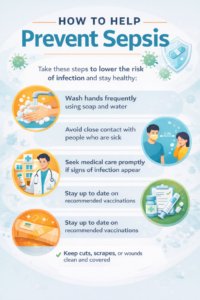
Preventing sepsis begins with preventing infections. Patients undergoing cancer treatment are encouraged to take the following steps, in coordination with their care team:
- Wash hands frequently using soap and water, especially before eating and after using the restroom
- Avoid close contact with people who are sick, even if symptoms seem mild
- Seek medical care promptly if signs of infection appear, such as fever, chills, redness, swelling, or pain
- Stay up to date on recommended vaccinations, as advised by your healthcare provider
- Keep cuts, scrapes, or wounds clean and covered until they are fully healed
Following these steps may help lower the risk of infection, reduce the chance of sepsis, and support overall well-being during treatment. Always reach out to your healthcare provider if you have questions about symptoms or prevention strategies.
The Role of Imaging in Oncology Care
Imaging plays an important role throughout cancer care, from diagnosis and treatment planning to monitoring response and detecting complications. While imaging does not prevent sepsis, timely and accurate imaging can support clinical decision-making when infections or treatment-related concerns arise.
ImageCare Radiology provides oncology imaging services to support patients and referring providers with high-quality diagnostic studies and subspecialty expertise. Our radiologists work closely with care teams to deliver clear, timely results that help guide next steps, always with patient comfort and safety in mind.
Recognizing the Importance of Sepsis Awareness
Sepsis Survivor Week is an opportunity to recognize those affected by sepsis and to reinforce the importance of education and early action, especially for those undergoing cancer treatment.
When it comes to sepsis, awareness is not just helpful. It can be lifesaving.